Iran in Turmoil: Widespread Protests Over Economic Collapse Turn Into Nation-Wide Anti-Government Uprising

Tehran, Iran (February 1, 2026) — What began in late December 2025 as protests triggered by Iran’s deepening economic collapse has rapidly transformed into the largest anti-government uprising since the 1979 Islamic Revolution, shaking the foundations of the Islamic Republic and exposing deep social, economic, and political fractures within the country.
The unrest, which erupted in major cities across Iran, has now entered its second month with protesters’ demands evolving from purely economic grievances to broad calls for political accountability, human rights, and systemic change. The turmoil has not only prompted fierce domestic repression but has also attracted growing international attention and heightened geopolitical tensions.
Roots of the Unrest: Economy at Breaking PointThe immediate spark for the protests was economic desperation. In the final days of 2025, the Iranian rial plummeted to record lows, trading at more than 1.4 million to the U.S. dollar — nearly double its value from the year before — fueling soaring inflation and making everyday goods unaffordable for millions of Iranians. Food prices alone rose by an astonishing 72 percent year-on-year, while overall inflation remained around 40 percent.The economic hardships were the result of a combination of long-term structural problems and sudden shocks. International sanctions re-imposed after the collapse of the 2015 nuclear deal drastically reduced Iran’s oil exports and access to hard currency, while a costly 12-day war with Israel in June 2025 damaged infrastructure across major cities and diverted government resources. Government attempts to reform subsidies — including removing heavily subsidized currency rates for imports — were designed to combat corruption and stabilize the economy but instead exacerbated price inflation, tipping many ordinary households into crisis.The protests initially broke out on December 28, 2025, when shopkeepers in Tehran’s historic Grand Bazaar shuttered their businesses to protest declining purchasing power and rising costs. Within days, hundreds of thousands had joined demonstrations in cities across Iran’s provinces.
From Bread to Rights: The Evolution of a MovementWhile economic hardship brought people to the streets, the tone and demands of the protests rapidly expanded. What was first about skyrocketing prices and job insecurity quickly turned into broader expressions of political and social discontent.Across Iran’s urban centers — from Tehran and Isfahan to Shiraz, Kermanshah, and Yazd — protesters began chanting slogans that directly challenged the ruling establishment, including calls for freedom, dignity, and accountability. Some demonstrators even openly criticized Supreme Leader Ayatollah Ali Khamenei, a remarkably bold step in Iran’s heavily repressed political environment.Though the movement lacks a central leadership, analysts note that its breadth of participation — workers, students, shopkeepers, retirees, and particularly Iran’s youth — underscores the depth of public anger. Many young Iranians, especially those from Generation Z, see the protests as about more than economic survival; they represent a fight for personal freedom, dignity, and a future free from repression.
A Deadly CrackdownIranian authorities responded to the unrest with overwhelming force, deploying security personnel, the Islamic Revolutionary Guard Corps (IRGC), and Basij militias to quash demonstrations.The result has been a brutal crackdown, with security forces accused of using live ammunition, tear gas, and mass arrests against unarmed protesters. Because the government imposed a near-total internet and communications blackout in early January 2026, accurate reporting from inside the country has been severely restricted, complicating efforts to verify casualty figures and conditions on the ground.Official data released by the Iranian government acknowledges around 3,117 deaths, a figure widely disputed by independent activists and human rights groups. Some estimates suggest the death toll could be as high as 30,000 or more, making this one of the deadliest crackdowns in recent Iranian history.In specific incidents, such as the Rasht massacre and smaller yet still deadly confrontations in cities like Fardis, protesters were reportedly fired upon with military-grade weapons, resulting in hundreds of fatalities.Children and teenagers have not been spared; accounts have emerged of minors among those killed in clashes with security forces.
Protests, Repression, and the Internet BlackoutBeginning on January 8, 2026, Iranian authorities enforced a near-complete internet blackout, disconnecting most global connectivity and restricting information flow even within the country through the National Information Network. This tactic aimed to suppress coordination among protesters and limit reporting on violence and repression.Despite these efforts, Iranians have used VPNs, satellite internet services, and smuggled devices to share footage and messages with the outside world, often at great personal risk.The blackout has had profound implications: hospitals and emergency services are cut off from external communication, families cannot verify the safety of loved ones, and independent verification of casualties remains near impossible. Human rights organizations have criticized the shutdown as a tool of repression, providing cover for the worst abuses.
What Protesters Are DemandingAlthough the movement is diverse and decentralized, several core demands have emerged from the protests:1. Economic Relief and StabilityAt the heart of the unrest are calls for an end to economic mismanagement and crippling inflation. Demonstrators want:Affordable basic goods and food;A stable currency and meaningful protections for workers;Government accountability for economic failures.These are not just rhetorical demands — they reflect a genuine crisis of survival for millions of Iranians.2. Political Accountability and Civil LibertiesBeyond economics, many Iranians see the protests as a broader struggle for rights and freedoms:Freedom of expression and assemblyRelease of political prisonersEnd to political repression and censorshipIn many streets across the country, protest slogans have expressed outrage at a political system seen as unresponsive and resistant to reform.3. Transparency and Justice for VictimsIn the wake of mounting deaths, families, reformists, and human rights groups inside Iran are calling for a transparent and independent inquiry into the true toll of the crackdown — a demand the government has so far resisted.4. Structural ChangeFor some sectors of the movement — particularly among younger generations and diaspora activists — mere economic fixes are insufficient. They want deeper political reforms that would diminish the power of unelected clerical authorities and promote democratic governance. While not all protesters explicitly call for regime change, the demand for systemic transformation is palpable on the streets.
International Responses and Geopolitical RamificationsThe protests have not gone unnoticed beyond Iran’s borders. The international community has responded in varied ways:The European Union has designated Iran’s IRGC as a terrorist organization, citing its role in human rights abuses during the crackdown.Human rights organizations have called for diplomatic pressure and independent international investigations into the killings.At the same time, rhetoric from Tehran reflects deep distrust of foreign interference. Supreme Leader Ayatollah Ali Khamenei has warned that any U.S. military action would trigger a regional war, and hardliners in the Iranian parliament have labeled the armies of EU states as terrorist groups in retaliation for sanctions and designations.U.S. officials, including President Trump, have threatened potential military responses if mass executions continue, while also reopening negotiations on Iran’s nuclear program — though strategic ambiguity remains about direct intervention.
The Human Toll and Social FragmentationBeyond death tolls and geopolitical posturing, the human cost of the uprising is profound:Tens of thousands are injured, with many suffering permanent disabilities;Families are torn apart by deaths, detentions, and disappearances;Societal trust with state institutions has eroded significantly.The combination of economic despair and violent repression has sown deep resentment, particularly among young people who see little hope for the future under current governance.
What Happens Next?The future trajectory of Iran’s crisis is highly uncertain. The government has used overwhelming force to suppress mass demonstrations, and communication blackouts have curtailed mobilization — yet sporadic protests persist, and discontent remains widespread.Analysts suggest several possible scenarios:Continued repression with periodic flare-ups of unrest;Internal fractures within Iran’s power elite if economic conditions worsen further;Gradual political reforms under pressure;Escalation into broader conflict if external intervention is pursued.What is clear, however, is that the unrest represents a deep legitimacy crisis for the Islamic Republic. It reflects not just a moment of economic hardship but a broader demand for dignity, rights, and accountability that may not be easily quelled by force alone.
Conclusion: Iran’s ongoing protests have evolved from a spontaneous reaction to economic collapse into a nationwide movement with profound social and political implications. The depth of popular anger, combined with a harsh state response, has created one of the most significant crises in the country’s recent history — one that will likely shape Iran’s future for years to come.
Tehran, Iran (February 1, 2026) — What began in late December 2025 as protests triggered by Iran’s deepening economic collapse has rapidly transformed into the largest anti-government uprising since the 1979 Islamic Revolution, shaking the foundations of the Islamic Republic and exposing deep social, economic, and political fractures within the country.
The unrest, which erupted in major cities across Iran, has now entered its second month with protesters’ demands evolving from purely economic grievances to broad calls for political accountability, human rights, and systemic change. The turmoil has not only prompted fierce domestic repression but has also attracted growing international attention and heightened geopolitical tensions.
Conclusion: Iran’s ongoing protests have evolved from a spontaneous reaction to economic collapse into a nationwide movement with profound social and political implications. The depth of popular anger, combined with a harsh state response, has created one of the most significant crises in the country’s recent history — one that will likely shape Iran’s future for years to come.
All Posts
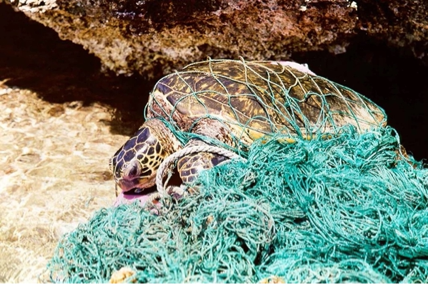
As part of the bigger initiative, Bhassexplore manages the marine plastic at East Sussex beach.
20 June, 2025
Beachy Head and Seven Sisters extreme plastic objects removal
19 June, 2025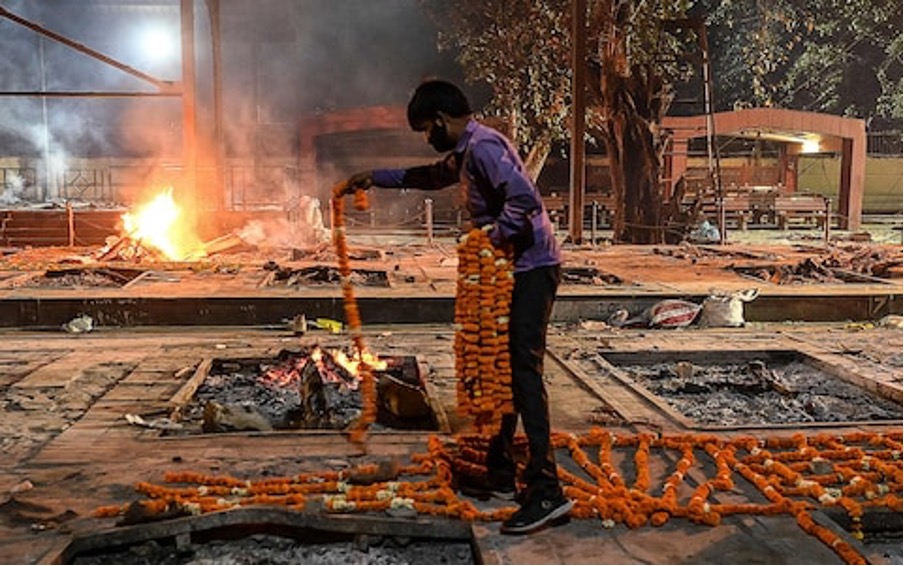
UK pledges aid for Coronavirus hit India as families compelled to keep their dead at home.
19 June, 2025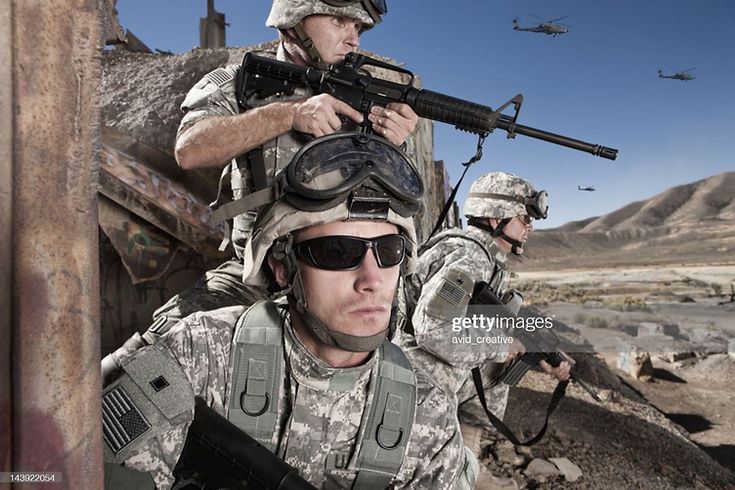
US military started withdrawal process from Afghanistan
19 June, 2025